
Blog
Explore electrical concepts, energy use and the assumptions behind a useful calculation.

How Many Watts Does a Space Heater Use? Watts, Amps and Real Running Cost
Most portable space heaters in the US use 1,500 watts on their high setting and about 750 watts on low. That 1,500 W figure isn’t a coincidence. It’s roughly th...
Read article
Do Christmas Lights Use a Lot of Electricity? Real Costs
Do Christmas lights use a lot of electricity? Not if they’re LEDs. A 100-light LED mini string draws about 4.8 watts, so running it six hours a night for a mont...
Read article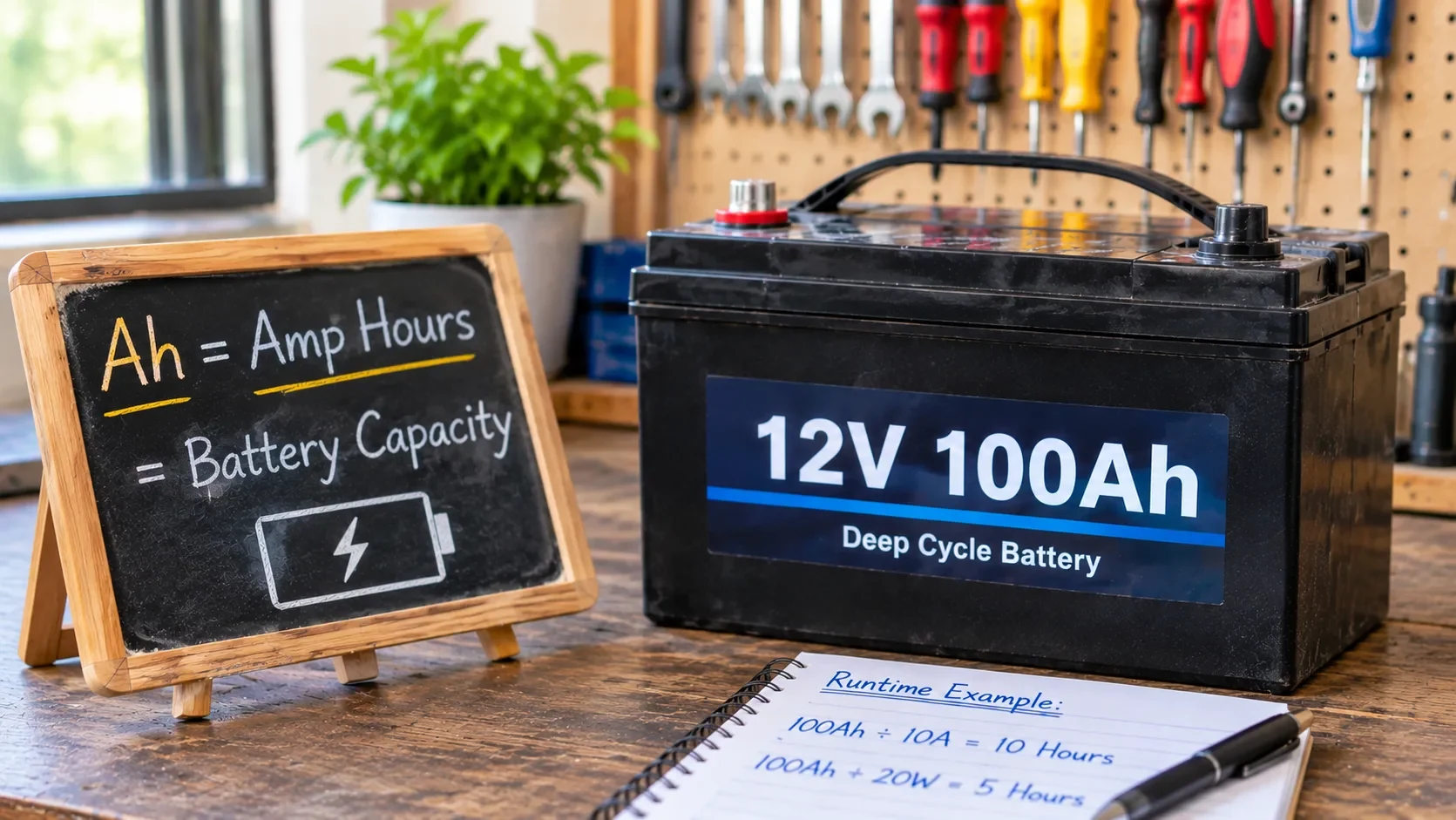
What Does Ah Mean on a Battery? Amp Hours and Capacity Explained
So, what does Ah mean on a battery? Ah stands for amp hour, and it measures battery capacity, which is how much charge the battery can hold. A 100Ah battery can...
Read article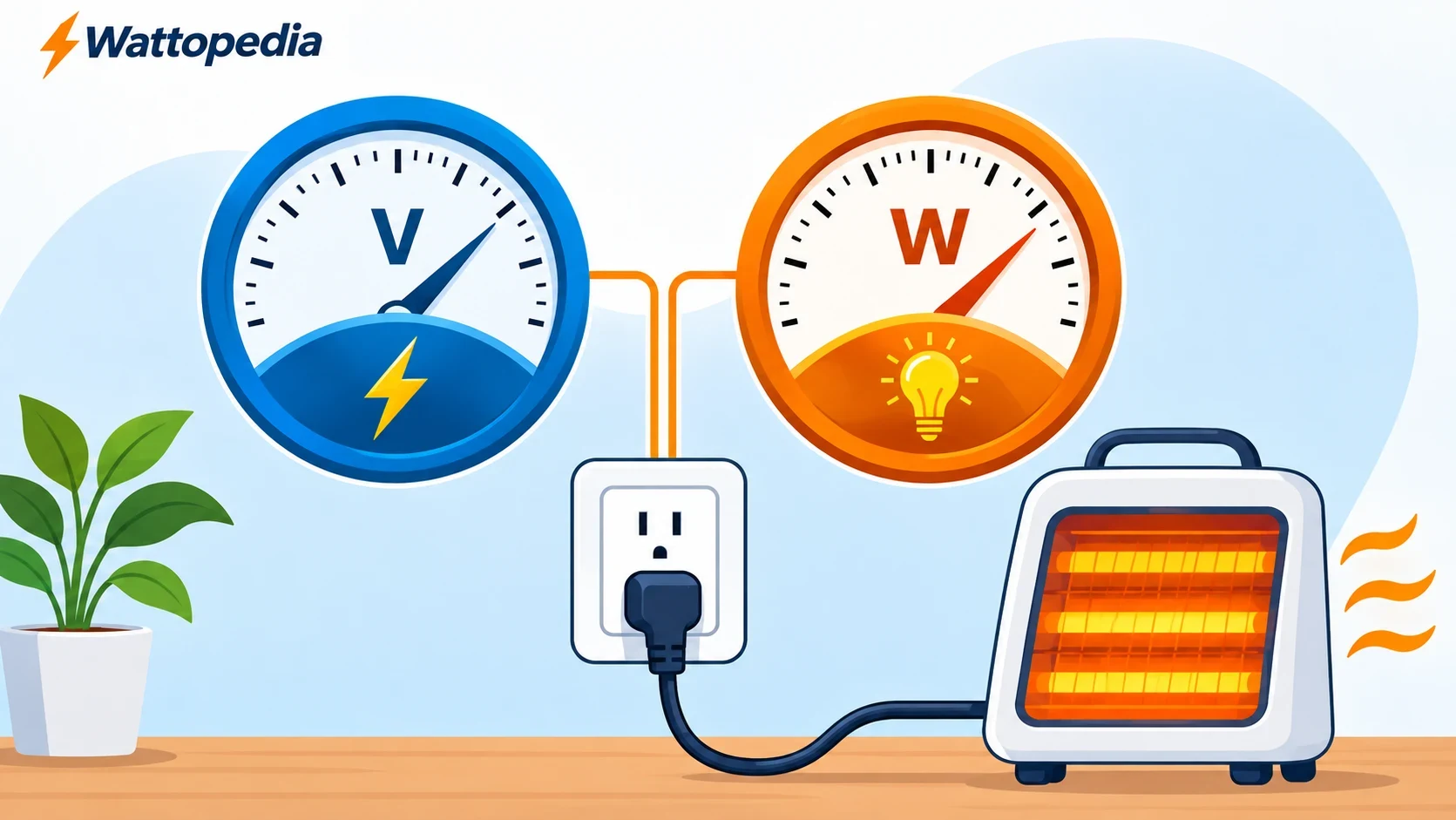
What Is the Difference Between Watts and Volts?
Volts measure electrical pressure. Watts measure how much power a device actually uses or delivers. That’s the difference between watts and volts in one line, a...
Read article
What Is Wattopedia? The Electrical Calculator Site That Shows Its Math
Wattopedia is a website of electrical calculators and reference pages that shows its work. You type in watts, volts, amp-hours or a power rate, and each tool re...
Read article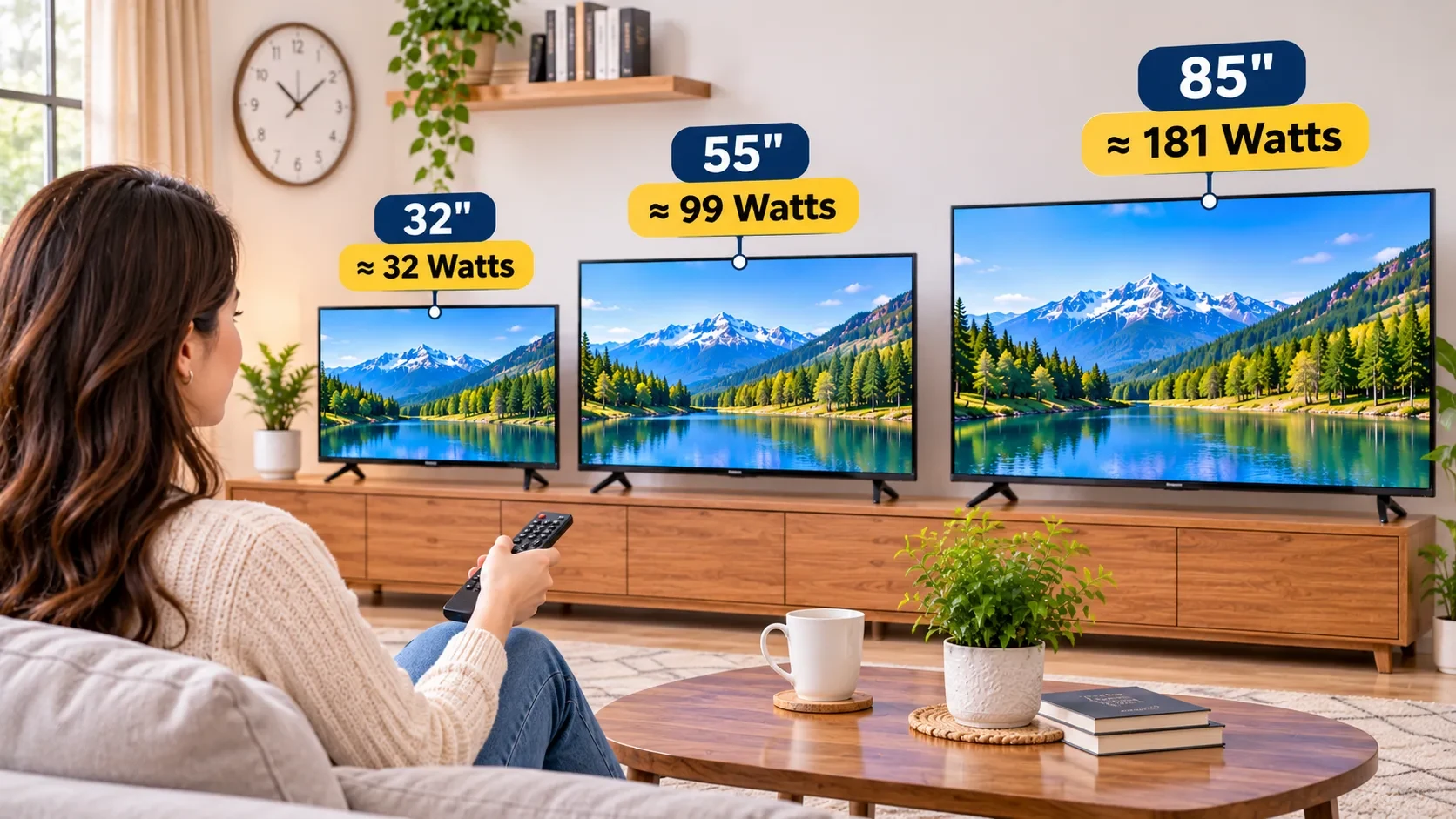
How Many Watts Does a TV Use? Real Numbers by Size, Type and Cost
How many watts does a TV use? A new 55 inch TV uses about 99 watts while it’s on, a 32 inch set uses about 32 watts, and an 85 inch set uses about 181 watts. At...
Read article
How Many Watts Does a Fridge Use? (Watts, kWh & Cost)
How many watts does a fridge use? A modern home fridge averages about 35 to 50 watts over a full day. That adds up to roughly 300 to 425 kWh a year, going by EN...
Read article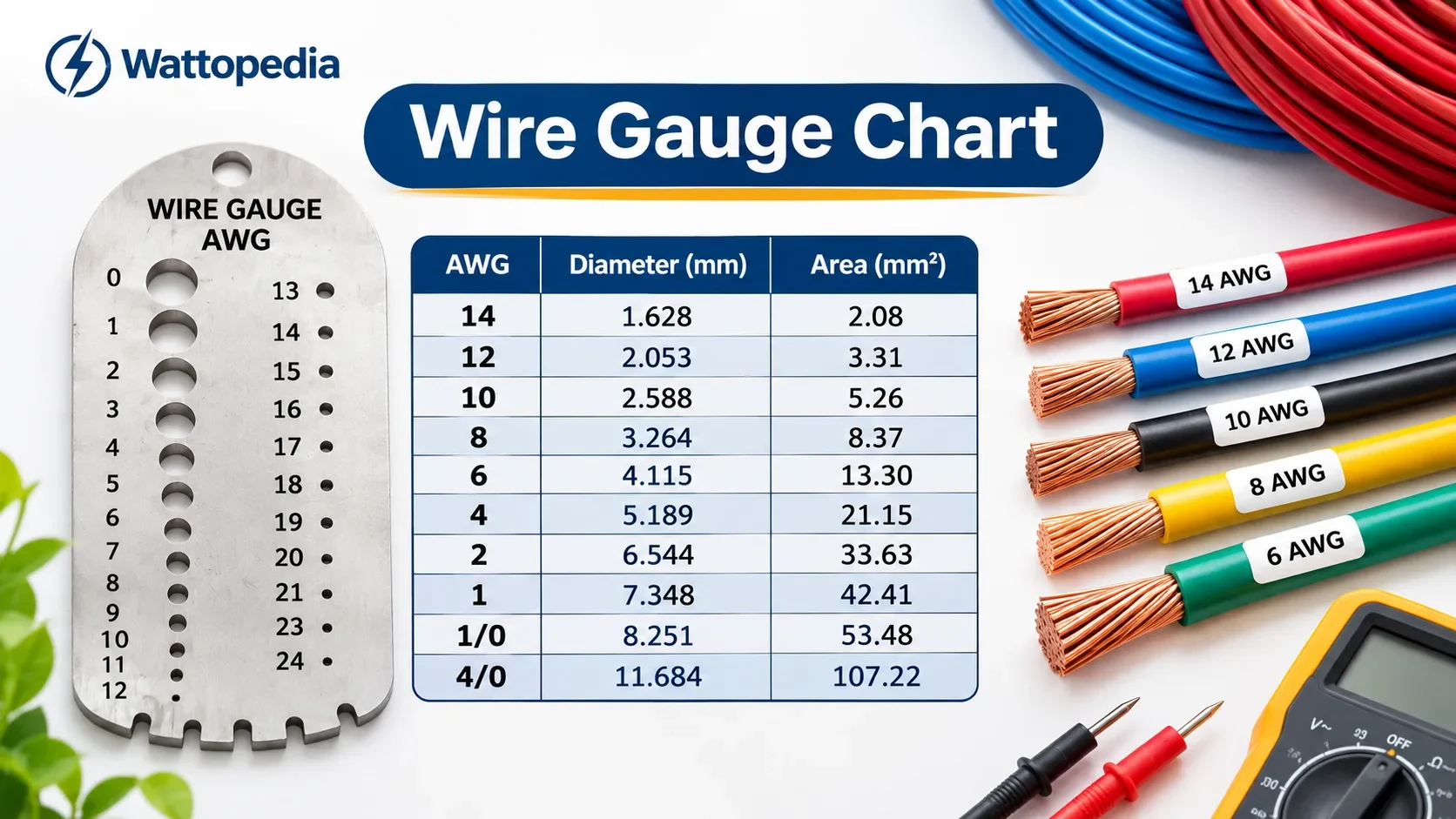
How to Read a Wire Gauge Chart: Diameter vs Area
A wire gauge chart can show nominal diameter, cross-sectional area or resistance. Read each column's units and material conditions first. A dimension chart does...
Read article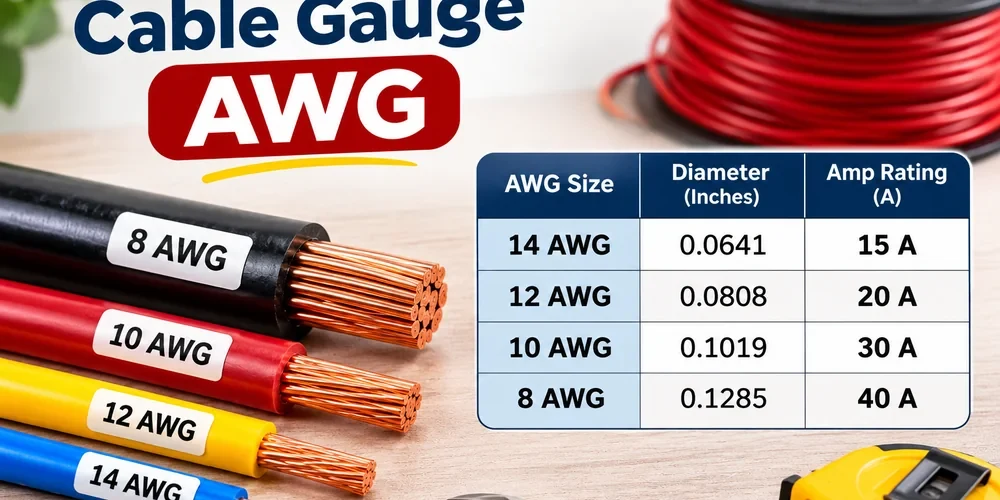
Cable Gauge AWG: How to Read Wire Size Labels
Cable gauge AWG describes a conductor's nominal size. Within the AWG scale, a smaller gauge number means a larger conductor. The label alone does not establish...
Read article
Kilowatt and Horsepower: How to Convert kW to HP and HP to kW
Kilowatt and horsepower both measure power, and 1 kilowatt equals about 1.341 mechanical horsepower. So to go from kilowatt to horsepower, multiply by 1.341. Go...
Read articleWatts vs Volt Amps: Real and Apparent Power
Learn how watts and volt amps describe different AC power quantities, how power factor links them, and what a VA rating can and cannot tell you.
Read guideSolar Panels in Series vs Parallel: Differences
Compare how series and parallel solar arrays change voltage and current, keep nameplate values distinct, and see why arithmetic is not a system design.
Read guideSingle Phase vs Three Phase: Key Differences
Compare single-phase and three-phase AC, understand line and phase voltage, and learn when a balanced-load power formula applies.
Read guideBatteries in Series vs Parallel: Key Differences
Learn how series and parallel battery banks change voltage and capacity, how to compare rated energy, and why a calculation alone cannot approve a system.
Read guideHow to Read a Motor Nameplate
Learn how to read a motor nameplate by keeping voltage, phase, frequency, current, output, and duty markings in their rated context.
Read guidePower vs Energy: Watts, Watt-Hours, and Time
Compare power vs energy, understand watts and watt-hours, and see how time links them. Keep ratings, measurements, and estimates separate.
Read guideHow to Measure Appliance Power Consumption
Measure an appliance's power or energy with a clear time window, compatible meter, and operating notes. Learn what each result can tell you.
Read guideHow to Calculate Electricity Cost From Energy Use
Multiply energy in kWh by the applicable price per kWh. Follow a stated example and separate appliance energy costs from other utility charges.
Read guideBattery Capacity vs Power: Read Both Ratings
Separate stored battery energy from output power, interpret Ah with voltage, and check the assumptions behind a conditional runtime estimate.
Read guideTravel Adapter vs Voltage Converter: Read the Label
Learn what a travel adapter changes, what a voltage converter is meant to change, and how to check input, frequency, grounding, and instructions.
Read guideWhat Size Generator to Run a House?
What size generator to run a house depends on simultaneous loads. Compare documented running watts with the highest combined startup demand.
Read guideHow Many Solar Panels to Run a House?
How many solar panels to run a house starts from daily kWh, peak sun hours, and efficiency. The default is 12 kWh at 4.7395 h, which is 2.5319 kW DC.
Read guideHow Many kWh Does a House Use?
How many kwh does a house use is watts times hours, not a typical-house guess. The default is 1500 W for 8 hours over 30 days, which is 360 kWh.
Read guideBattery Run Time Formula: Estimate Hours
The battery run time formula estimates hours from usable energy and load watts. Learn its assumptions and why a result is not a guarantee.
Read guideNo articles match this search. Try a shorter phrase or clear the filter.